Written by Manasa, Reviewed and Edited by Neleena
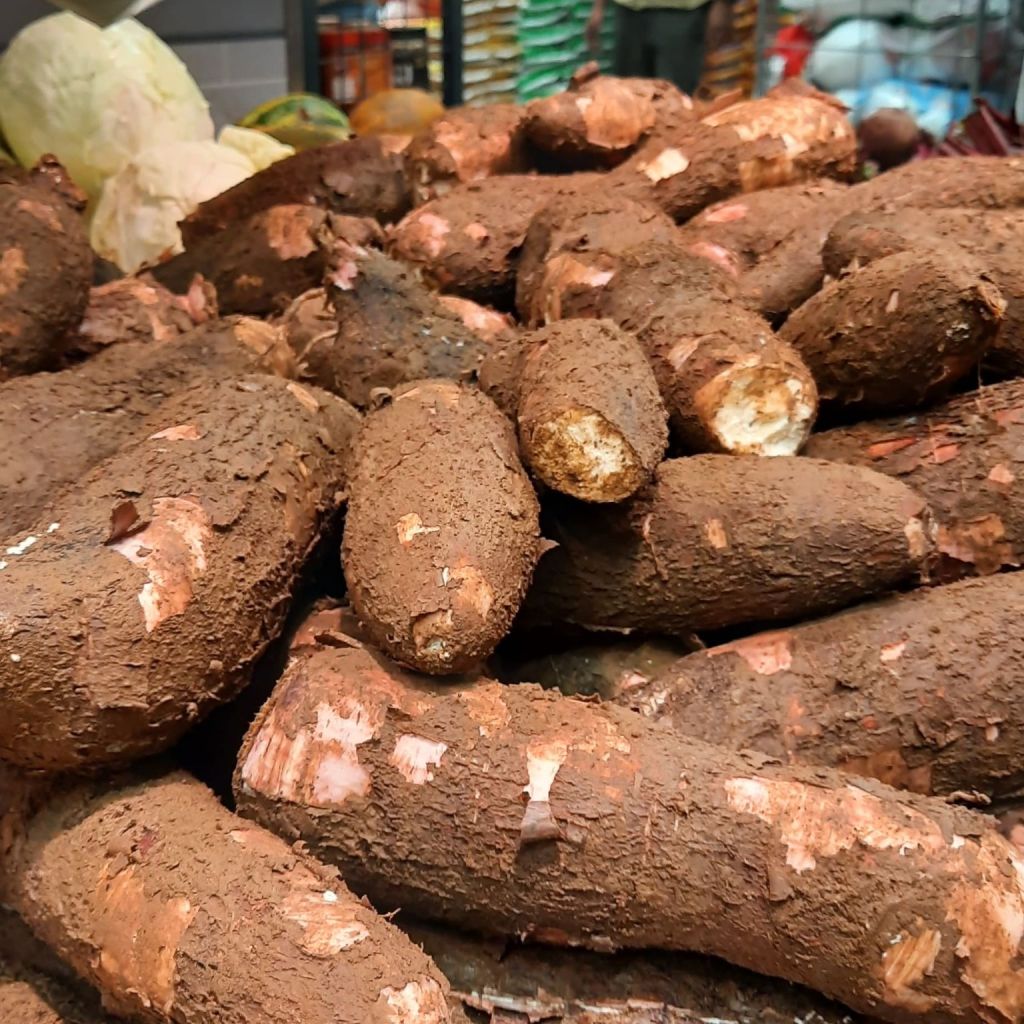
In Wayanad, Kerala, tapioca (also known as Cassava root) plays an important role in local food security. Known as ‘kappa’ in Malayalam, tapioca (Manihot esculenta) is important to the region’s agriculture and cuisine.
Native to South America, the root vegetable was introduced to India during Portuguese colonial rule. Its hardiness and adaptability to various soil conditions suit Wayanad’s and most of Kerala’s terrain. The plant’s drought resistance ensures reliable harvests in challenging weather. Nutritionally, tapioca is primarily a carbohydrate source. It contains resistant starch, which may aid digestion and blood sugar control. The leaves, often consumed as a vegetable, provide additional nutrients including vitamins A and C, and minerals.
In Wayanad, kappa is prepared in multiple ways, from boiled dishes to curries. The most popular local dish is the Kappa Meen – the Kerala fish curry. Its versatility has made it a staple food. The crop also contributes to economic stability by providing income to small-scale farmers. As climate change threatens agriculture, tapioca’s resilience has become more valuable. Its ability to withstand higher temperatures and erratic rainfall patterns makes it a potential crop for climate adaptation strategies. The demand for Kappa is likely to grow..
Farmers with home gardens can easily cultivate kappa, providing a readily available source for delicious, home-cooked Kerala meals. This accessibility highlights the potential of home gardens in ensuring household food security.
The integration of such resilient, nutritious crops in home gardens into policy frameworks could facilitate a shift towards more sustainable and healthier diets. This approach not only enhances food security but also promotes dietary diversity and reduces dependence on market-bought produce.
The kappa exemplifies the link between agriculture, culture, and food security in Wayanad. Its story reflects adaptation, sustenance, and the potential for policy-driven improvements in nutrition and sustainability. So, come have a KAPPA…. 😊
 TerraBite Consultancy